Hungary · 50 min · Vegetarian · Baking · For confident cooks
Piskóta
In German: Biskuit · In English: Sponge cake
For 6 servings · US units
The airy Hungarian sponge of eggs, sugar and flour — the base for everything sweet
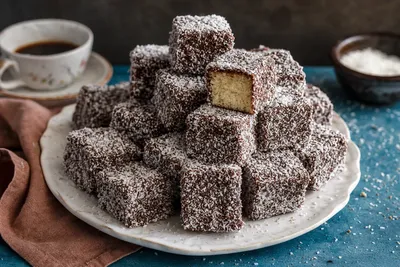
Piskóta is the sponge cake of the Hungarian kitchen: nothing but eggs, sugar and flour, yet whipped properly it gives you a crumb that springs back under the knife. It's good enough plain with coffee, and at the same time it's the foundation for layer cakes, sponge rolls or coconut squares. Once you've got it in your hands, you won't need another base for anything sweet.
Ingredients
- 6eggseparated, whites beaten stiff
- 4¼ ozsugarpartly beaten with the yolks, partly into the whites
- 4¼ ozWheat floursifted, folded in gradually
- 1 pinchsaltstabilises the egg whites
- 1 tspbaking powdermixed into the flour (optional)
- ¼ ozfor flavour, vanilla extract as an alternative (optional)Sugar flavoured with vanilla or vanillin, usually sold in small sachets.Substitute: For one sachet, use about a heaped teaspoon of sugar and half a teaspoon of vanilla extract, which makes little difference in doughs and creams. Extract is not suitable for dusting, because it makes the sugar damp. For that, leave scraped-out vanilla pods in a jar of sugar for a few days.Read more
- 3 tbspoilstirred into the yolks for a moister crumb (optional)
- 2 tbspwaterlukewarm, loosens the batter (optional)
- Lemongrated, for flavour (optional)
Method
- Heat the oven to 160–355 °F and line a baking sheet or a cake ring (from here on: the tin) with parchment paper.
- Separate the eggs, taking care that not a trace of yolk slips into the whites — otherwise they won't whip stiff.
- Beat the yolks with part of the sugar until pale and foamy; if you like, add vanilla sugar, grated lemon zest, the oil and the lukewarm water, and stir until smooth.
- Whip the egg whites with a pinch of salt, trickling in the remaining sugar bit by bit, until the meringue is stiff and glossy.
- Sift the flour (mixed with the baking powder if you're using it) and fold it into the yolk mixture in batches.
- Fold in the beaten whites loosely with a spatula, only until no pale streaks remain — don't keep stirring beyond that.
- Pour the batter into the tin, smooth the top and rap the tin once on the work surface to knock out any large air bubbles.
- Bake for 20–40 minutes depending on the depth, keeping the oven door shut for the first stretch; test with a skewer at the end to see whether it's baked through.
- Let the sponge rest briefly in the tin, cool it completely, and only then peel off the parchment.
Tips and variations
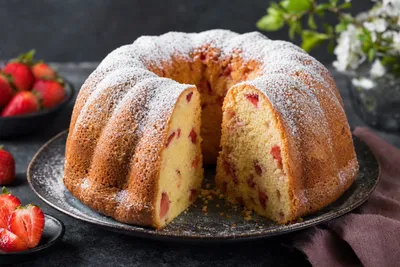
For a moister crumb, stir the oil and water into the yolks. A different route is to start with butter beaten until fluffy instead of egg foam alone; pieces of peach or apricot, or berries, scatter nicely over that batter. For a cocoa version, stir unsweetened cocoa powder in together with the flour and baking powder. Baked tall in a cake ring and cooled upside down, the sponge won't sink; baked flat on a large sheet, it becomes the base for a sponge roll or coconut squares. Once cold, split it lengthwise and fill it — yoghurt cream with strawberries, or cocoa buttercream with vanilla custard — and the plain sponge turns into a cake for six.
Allergens
Contains: Eggs, Cereals containing gluten
These notes follow from this recipe's ingredient list. Ready-made products and brands may contain further allergens — please check the packaging yourself.
Something not right?
This recipe was put together from independent sources and checked before publishing. Even so, a mistake can slip through — an amount that does not add up, a step that does not work as written. If you spot something, write to us: we will look into it and put it right.